

vrijdag 15 juni 2012

woensdag 18 januari 2012
Marind- Anim and Ngass people


woensdag 5 augustus 2009
l’exposition coloniale d’Amsterdam en 1883

World fair, the colonial exhibition of Amsterdam in 1883.
On this picture we see the 13 year old Aucan boy Johannes Kojo from Paramaribo. He acted as a drummer on display in a circus tent on the Museumplein Amsterdam with 28 other inhabitants of Suriname.
dinsdag 17 juni 2008


dinsdag 6 juni 2006
West African Wishdom symbol
ADINKRA - Cultural Symbols of the Asante people
Adinkra also means ‘goodbye’ or ‘farewell’ in Twi the language of the Akan ethnic group of which Asante is a part. It has therefore been the tradition of the Akan especially the Asante to wear cloths decorated with Adinkra symbols on important occasions especially at funerals of family relations and friends. This is to signify their sorrow and to bid farewell to the deceased. Today, the Adinkra cloth is not exclusively worn by the Asante people. It is worn by other ethnic groups in Ghana on a variety of social gatherings and festive occasions
Symbolism/Significance The Adinkra symbols express various themes that relate to the history, beliefs and philosophy of the Asante. They mostly have rich proverbial meaning since proverbs play an important role in the Asante culture. The use of Proverbs is considered as a mark of wisdom. Other Adinkra symbols depict historical events, human behaviour and attitudes, animal behaviour, plant life forms and shapes of objects.
In fact, the Adinkra symbols continue to change as new influences impact on Ghanaian culture as some of the symbols now record specific technological developments.
Adinkra also means ‘goodbye’ or ‘farewell’ in Twi the language of the Akan ethnic group of which Asante is a part. It has therefore been the tradition of the Akan especially the Asante to wear cloths decorated with Adinkra symbols on important occasions especially at funerals of family relations and friends. This is to signify their sorrow and to bid farewell to the deceased. Today, the Adinkra cloth is not exclusively worn by the Asante people. It is worn by other ethnic groups in Ghana on a variety of social gatherings and festive occasions
Symbolism/Significance The Adinkra symbols express various themes that relate to the history, beliefs and philosophy of the Asante. They mostly have rich proverbial meaning since proverbs play an important role in the Asante culture. The use of Proverbs is considered as a mark of wisdom. Other Adinkra symbols depict historical events, human behaviour and attitudes, animal behaviour, plant life forms and shapes of objects.
In fact, the Adinkra symbols continue to change as new influences impact on Ghanaian culture as some of the symbols now record specific technological developments.

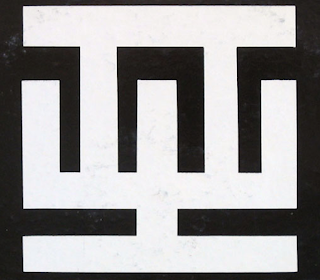
Hwehwɛmudua or HweHwe Mu Dua or Hwemudua
Hwehwemudua means “rod of investigation,” that is, a measuring rod. It is a symbol of excellence, superior quality, perfection, knowledge, and critical examination. Ghana Standards Authority uses it as its insignia
Hwehwemudua means “rod of investigation,” that is, a measuring rod. It is a symbol of excellence, superior quality, perfection, knowledge, and critical examination. Ghana Standards Authority uses it as its insignia


Abonneren op:
Posts (Atom)